

Are you tired of being bogged down by complex HR paperwork and compliance headaches? You’re not alone. In today’s competitive landscape, businesses of all sizes search for more innovative ways to operate. They’re finding a robust solution in HR outsourcing.
This strategic move isn’t just about cutting costs; it’s about unlocking your company’s full potential. By delegating key HR functions to a specialized partner, you can stop reacting to day-to-day issues and start focusing on what truly matters: innovation, growth, and building a high-performing team.
What is HR Outsourcing and Why Is It Gaining Popularity
HR outsourcing is entrusting some or all of a company’s human resources functions to an external service provider, instead of managing all human resources tasks with an in-house HR team; a business partners with a specialist HR outsourcing company to handle these responsibilities.
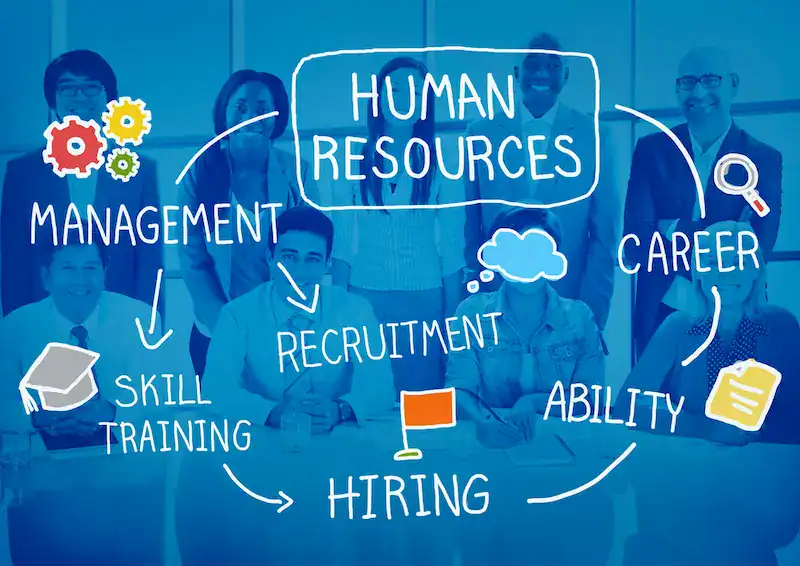
The popularity of this model is soaring as businesses of all sizes, from small startups to large enterprises, realize the value of focusing on their core competencies. At the same time, a dedicated partner manages the complexities of HR administrative tasks.
Defining HR Outsourcing as the Delegation of Human Resources Functions
At its core, HR outsourcing means a company delegates its human resources functions to an external third-party provider. This can include anything from payroll processing and benefits administration to talent management and regulatory compliance.
The goal is to leverage the provider’s expertise and resources to manage these essential yet often complex HR processes more efficiently and cost-effectively.
Businesses that outsource often have limited HR resources and find it challenging to keep up with the ever-changing landscape of employment laws and regulations. An outsourced HR services provider offers a solution that gives them a competitive edge.
Read More: Top Customer Support Outsourcing Companies
Understanding the Role of the HR Services Provider
An HR services provider acts as an extension of a company’s internal team, or in some cases, its entire HR department. This third-party provider offers various services to support a company’s workforce and business objectives.
Their role goes beyond simple task execution; they provide strategic guidance, ensuring that a company’s HR operations are efficient, compliant, and aligned with business goals.
They bring a wealth of expertise and economies of scale, which would be expensive to replicate with an in-house HR team. The HR outsourcing provider becomes a crucial partner in navigating the complexities of human capital management.
Exploring Market Growth and Adoption Trends
The HR outsourcing market is experiencing significant growth, driven by globalization, technological advancements, and the increasing complexity of laws and regulations.
Companies seek flexible and scalable solutions to manage their workforce, especially with the rise of remote and hybrid work models. The market is projected to expand beyond 2025 as more businesses recognize the strategic value of an outsourced HR services model.
This adoption is robust among small and medium-sized businesses (SMBs) that want to offer premium employee benefits and maintain compliance without the high HR costs of a large internal team.
Also Read: Top Benefits of Outsourced Customer Support for Startups
How HR Outsourcing Delivers Significant Cost Savings
One of the most compelling reasons for a business to consider HR outsourcing is the potential for significant cost savings. While the initial thought might be that an external service adds expense, the reality is that it often costs far less than maintaining a full-fledged in-house HR team.
An HR outsourcing company can offer predictable pricing models, allowing businesses to budget more effectively and avoid unexpected HR expenses.
Reducing Overheads by Eliminating In-House HR Personnel
Maintaining an in-house HR team involves more than just salaries. A business must also account for benefits, bonuses, office space, equipment, and professional development for each HR staff member. A company can eliminate these significant overheads by partnering with an HR outsourcing provider.
The provider’s fee often covers all these aspects, giving the business a single, predictable line item in its budget. This allows a company to reallocate those funds to more strategic areas, such as product development or marketing.
Avoiding Recruitment, Training, and Benefits Administration Expenses
Hiring and training an in-house HR team is costly and time-consuming. From crafting job descriptions and conducting interviews to providing ongoing professional development, the expenses add up quickly.
An HR outsourcing provider already has a team of HR professionals with the required expertise. This eliminates the need for a company to handle its HR staffing, saving money and time.
Additionally, outsourcing HR allows companies to avoid the high benefits administration costs and offer competitive employee benefits packages.
Scaling Costs with Business Growth
A key advantage of HR outsourcing is its scalability. A company’s HR support needs change as it grows. With an in-house HR team, this means constantly hiring and training new HR personnel, which can be an inefficient use of resources.
However, an outsourcing HR functions partner can scale their services up or down based on a company’s needs. Whether a business is adding new employees, entering a new market, or undergoing a seasonal hiring spike, the HR outsourcing company can easily adapt, ensuring the company only pays for the services it needs.
Explore More: Top Growth Assistant Alternatives for Your Business
Why Access to Expert HR Knowledge Enhances Compliance and Risk Management
The modern regulatory landscape is a minefield of complex federal, state, and local laws. Keeping up with these changes is a significant challenge for many businesses, particularly those with a small or non-existent HR team.
HR outsourcing provides a critical solution by giving companies access to expert knowledge that significantly enhances regulatory compliance and risk management.
Leveraging Specialized Legal and Regulatory Expertise
An HR outsourcing provider employs a team of specialists who are experts in employment laws, compliance risks, and industry-specific regulations.

These experts deeply understand legal requirements surrounding everything from hiring practices and workplace safety to termination procedures and data privacy. This specialized knowledge is often beyond the scope of a generalist in-house HR team.
By leveraging this expertise, companies can avoid costly mistakes, fines, and lawsuits, effectively minimizing liability.
Maintaining Up-To-Date Knowledge of Employment Laws
Employment laws and regulations are constantly changing. Staying current on new legislation, case law, and best practices is a full-time job.
An HR outsourcing company makes this its core business. They continuously monitor federal, state, and local changes, ensuring that a company’s policies and procedures remain compliant.
This proactive approach to compliance management is a significant benefit, as it protects the business from unforeseen legal challenges and ensures its operations are always above board.
Minimizing Liability through Audit-Ready Record Keeping
Accurate record-keeping is essential for risk management. A company must maintain detailed and organized documentation, from employee files to payroll administration records and workers’ compensation claims.
An HR outsourcing provider uses advanced technology and robust processes to ensure that all employee data and records are kept in an organized, secure, and audit-ready format. This protects the company in case of a legal dispute or an audit, provides a clear paper trail, and minimizes liability.
Further Reading: Top Countries to Hire Offshore Developers
In What Ways Does HR Outsourcing Improve Employee Benefits and Satisfaction
Attracting and retaining top talent is a significant priority for businesses today. A robust employee benefits package is a key part of this strategy. However, for smaller companies, offering premium benefits can be prohibitively expensive.
HR outsourcing helps businesses level the playing field, allowing them to provide attractive benefits that boost employee satisfaction and engagement.
Securing Premium Benefits Packages at Negotiated Rates
One of the most significant advantages of partnering with a professional employer organization (PEO) or other HR outsourcing provider is access to better benefits.
These providers pool the employees of all their clients, creating a much larger group. This gives them immense bargaining power with insurance companies and other benefits providers.
As a result, they can secure premium employee benefits packages, including medical, dental, and vision insurance, at more affordable rates than a small company could on its own.
Offering Enhanced Wellness and Retirement Plans
Beyond basic insurance, a great HR outsourcing company can also provide access to enhanced benefits.
These might include comprehensive wellness programs, mental health support, and robust retirement plans like 401(k)s. These help a business create a compelling value proposition for potential hires and demonstrate a strong commitment to its employees’ well-being.
By offering these sought-after benefits, companies can improve employee engagement and reduce turnover, which are critical for long-term success.
Boosting Employee Engagement through Dedicated Support
When a business uses outsourced HR services, employees get access to a dedicated HR support team that can handle their questions and concerns. This frees up the internal HR team to focus on strategic initiatives, such as performance management and creating a positive company culture.
For employees, having a direct line to knowledgeable hr professionals for things like payroll issues, benefits questions, or employee relations concerns leads to a better overall experience. This dedicated hr support fosters a sense of security and professionalism, boosting morale and employee engagement.
Read More: The Complete Guide to Outsourced Customer Support
Which Core HR Functions Are Commonly Outsourced to HR Service Providers
HR outsourcing is not a one-size-fits-all solution. Companies can choose to outsource a single function or their entire HR department.
However, certain core human resources functions are more commonly outsourced than others due to their administrative complexity and the potential for cost savings and improved efficiency.
Automating Payroll Processing and Time Tracking
Payroll processing is one of the most popular functions for outsourcing. It is a highly administrative and detail-oriented task that can be error-prone if handled incorrectly.

An HR outsourcing provider uses specialized software and expertise to ensure payroll is processed accurately and on time. They handle everything from calculating wages and overtime to filing payroll taxes and managing direct deposits.
This automation and expertise free up significant time and resources for the company. The provider also often includes automated time tracking, seamlessly integrating with payroll processing to ensure accuracy and compliance.
Managing Benefits Administration and Workers’ Compensation
Benefits administration is another core function that is frequently outsourced. Enrolling employees, managing claims, and complying with regulations like ERISA and HIPAA can be overwhelming.
An HR services provider handles this from end to end. They also manage workers’ compensation and other complex insurance needs, ensuring all policies are correctly administered and claims are processed efficiently.
This is especially beneficial for companies that want to offer competitive benefits but lack the internal expertise to manage them effectively.
Streamlining Talent Acquisition and Onboarding
While some companies maintain an internal recruiting team, many choose to outsource aspects of talent management and acquisition.
An HR outsourcing company can help source, screen, and onboard new hires. They can leverage a wider network and more sophisticated tools to find qualified candidates faster.
Their expertise also helps streamline the onboarding process, ensuring new employees have a positive experience and are set up for success from day one. This partnership allows a company to attract and retain the best talent without the full burden of running a recruiting services department.
Supporting Performance Management and Learning & Development
Performance management and employee training are crucial for organizational growth. An outsourced HR services partner can help develop and implement performance review processes, set up goals, and provide access to learning and development programs.
They bring a fresh, objective perspective to these processes, which can be invaluable. By offering these services, the HR provider helps a company cultivate a high-performing workforce and create a culture of continuous improvement.
Handling Employee Relations and Workplace Safety
Complex employee relations issues, like disputes or disciplinary actions, require careful handling to avoid legal repercussions.
An HR outsourcing company provides expert guidance and support in these sensitive situations, ensuring all actions comply with employment laws and company policies.
They also help create and enforce workplace safety protocols and ensure compliance with regulations like OSHA. This protects the business from liability and helps foster a safe and respectful work environment for all employees.
Also Learn: The Benefits of Offshore BPO: Cost Savings and Efficiency
What Are the Main Types of HR Outsourcing Models Available
Companies considering HR outsourcing have several models, each offering a different level of partnership and service. Understanding these models is critical for selecting the right hr solution that aligns with a company’s needs and strategic goals.

Exploring Professional Employer Organizations and Co-Employment
A Professional Employer Organization (PEO) is a popular HR outsourcing model that operates on a co-employment basis. Under this arrangement, the PEO becomes the “employer of record” for tax and legal purposes, while the client company retains control over day-to-day operations and employee management.
This co-employment relationship allows the PEO to handle all HR administrative tasks, including payroll, benefits, and tax administration. This model is beautiful for small businesses because it gives them access to Fortune 500-level team member benefits and comprehensive compliance management that would otherwise be out of reach.
The professional employer organization (PEO) assumes a significant portion of the compliance risks, freeing the client to focus on growth.
Understanding Administrative Services Organizations Without Co-Employment
An Administrative Services Organization (ASO) model is similar to a PEO but without the co-employment relationship. With an ASO, the client company remains the sole employer of record and retains all employer liability.
The ASO provides a full suite of HR support services, such as payroll processing, benefits administration, and technology platforms. Still, the client remains responsible for compliance risks and employment laws.
This model is ideal for companies that want to outsource HR administrative tasks but wish to retain complete control and legal responsibility for their workforce. It offers the benefit of expert HR services without the shared liability of a PEO.
Engaging HR Consulting Firms for Project-Based Expertise
For companies that need specialized, project-based HR support rather than a full-scale partnership, an HR consulting firm is an excellent option.
These firms provide expert advice on specific HR challenges, such as developing a new performance management system, creating a new compensation structure, or navigating a complex merger.
An HR consulting firm offers a flexible, on-demand solution, allowing businesses to tap into high-level HR professionals for specific strategic planning initiatives without a long-term commitment.
Considering Global Employer of Record Solutions
The rise of the global workforce and remote work has created a need for Global Employer of Record (EOR) solutions. For a company that wants to hire talent in a country without a legal entity, an EOR service acts as the legal employer.
The EOR handles all local payroll, taxes, benefits, and regulatory compliance, allowing the client company to easily hire employees internationally. This model is essential for businesses with a global expansion strategy, as it simplifies the legal and administrative complexities of operating in multiple countries.
Evaluating Hybrid and Customized Outsourcing Models
Many HR outsourcing providers now offer hybrid and customized models that blend different services to meet a company’s unique needs.
For example, a business might outsource payroll administration and benefits management to a PEO while retaining a small internal HR team to focus on company culture and strategic planning.
Creating a tailored HR solution allows companies to get the best of both worlds, leveraging external expertise for heavy administrative lifting while keeping key functions in-house.
Explore Further: How AI is Transforming Recruitment Processes
Which Emerging Trends Are Accelerating HR Outsourcing Adoption in 2025
The HR outsourcing landscape continuously evolves, driven by technological innovations and changing workforce dynamics. As we move through 2025, several key trends are accelerating the adoption of outsourcing HR services, making them more strategic and effective than ever before.
Integrating Artificial Intelligence and Automation in HR Processes
Artificial Intelligence (AI) and automation are transforming HR processes. An HR outsourcing provider is at the forefront of this trend, using AI-powered tools to automate routine HR tasks like resume screening, candidate communication, and payroll processing.

These technologies increase efficiency and accuracy and free up HR managers to focus on more strategic initiatives. The integration of AI allows providers to offer more sophisticated and data-driven insights, further enhancing the value of their services.
Harnessing People Analytics for Data-Driven Decisions
With the vast amount of team member data collected, people analytics has become a powerful tool for making informed business decisions.
HR outsourcing companies leverage advanced analytics to help clients understand key workforce trends, predict turnover, and identify skills gaps. This data-driven talent management and strategic planning approach helps companies optimize their workforce and gain a competitive edge.
Adapting to Hybrid and Remote Workforces
Many companies are permanently changing their work practices to hybrid and remote work. This new dynamic creates complex HR communication, compliance, and employee engagement challenges.
HR outsourcing providers are well-equipped to handle these complexities. They offer technology platforms and expertise to manage remote payroll administration, ensure regulatory compliance across different jurisdictions, and support a dispersed workforce.
Their ability to provide seamless, tech-enabled solutions makes them indispensable partners for modern businesses.
Prioritizing Employee Experience and Well-being
Today’s employees expect more from their employers, with a greater focus on their overall experience and well-being. HR outsourcing providers are responding by offering more comprehensive wellness programs, mental health support, and tools for employee engagement.
By partnering with a provider that prioritizes employee well-being, a company can build a positive company culture and become an employer of choice.
Emphasizing Continuous Learning and Skills Development
Continuous learning and skills development are essential for staying competitive in a rapidly changing job market. An HR outsourcing company often provides access to various online training courses and learning platforms.
This enables companies to offer robust team member training and professional development opportunities without the high cost and administrative burden of building these programs from scratch.
Further Reading: The Role of Headhunter Agencies in Talent Acquisition
How to Select the Right HR Outsourcing Partner for Your Business
Choosing the right HR outsourcing partner is a critical business decision. A successful partnership requires a provider that aligns with a company’s culture, budget, and strategic goals. Following a structured process can help ensure a business makes the best choice.
Defining Your Strategic HR Priorities and Budget
Before you start looking, it’s essential to define what you need. What are your biggest HR challenges? Are you looking for a full-service solution or just need help with payroll processing? How much can you realistically spend on HR outsourcing?
By clearly defining your strategic HR responsibilities and budget, you can narrow down your options and find a provider that offers the right mix of services at a price you can afford.
Assessing Provider Expertise, Industry Specialization, and Reputation
Look for an HR outsourcing company with a proven track record and a strong reputation. Check their experience and make sure they have a deep understanding of your industry.
A provider with specialized knowledge of your industry can offer more tailored and practical solutions. Research their client testimonials, case studies, and professional certifications to verify their expertise and reliability.
Evaluating Technology Platforms and System Integrations
An excellent HR solution today is built on great technology. Evaluate the provider’s HR technology platform. Is it user-friendly for both employees and administrators? Does it integrate seamlessly with your existing systems, such as accounting or project management software?
A robust, integrated platform is crucial for streamlining HR processes, improving employee data management, and enhancing the overall user experience.
Know More: Tech Support Outsourcing: Your Complete Step-by-Step Guide
Comparing Pricing Structures and Service Level Agreements
HR outsourcing costs can vary widely. Compare the pricing structures of different providers. Some charge a flat fee per employee, while others use a percentage-based model. Be sure to ask about any potential hidden costs.
Review the Service Level Agreements (SLAs) carefully. What services are included? What are the response times for HR support? A clear and transparent contract is vital for a successful partnership.
Verifying Data Security Certifications and Compliance Standards
Since you’ll be sharing sensitive employee data, data security is non-negotiable. Verify that the HR outsourcing provider has strong data security certifications, like SOC 2, and follows strict compliance standards.
Ask about their disaster recovery plans and how they protect against data breaches. A provider that takes data security seriously will give you peace of mind and protect your business from potential liabilities.
Checking Customer Support, Onboarding Services, and References
The quality of customer support is a significant factor in a successful partnership. Find out how the provider handles support requests. Do they have a dedicated HR support team? What is their onboarding process like?
Ask for references from current or former clients to get a firsthand account of their experience with the provider’s support and services.
What Steps Should Companies Follow to Implement HR Outsourcing Successfully
A successful transition to HR outsourcing requires careful planning and communication. A phased approach can help minimize disruption and ensure a smooth handover of responsibilities.

Conducting a Detailed Internal HR Process Audit
Before you begin, conduct a thorough audit of your current HR processes. What’s working well? What are the pain points? This audit will help you identify which HR responsibilities to outsource and which to keep in-house. It also gives you a clear baseline to measure the success of the new partnership.
Creating a Clear Transition Plan with Milestones
Work with your chosen HR outsourcing company to create a detailed transition plan. This plan should outline key milestones, responsibilities, and timelines for your team and the provider. A clear roadmap is essential for a seamless transition and helps ensure everyone is on the same page.
Collaborating on Data Migration and System Setup
The transition will involve migrating significant employee data from your old systems to the provider’s platform. This critical step requires close collaboration between your internal team and the provider. Ensure that all data is transferred accurately and securely.
Training Internal Teams and Communicating Changes
Once the new system is in place, training your internal teams on the latest processes is essential. Communicate the changes to all employees, explaining the new HR solution and how it will benefit them. This transparency will help alleviate any concerns and ensure a smooth adoption.
Establishing Key Performance Indicators and Review Cadence
Establish clear Key Performance Indicators (KPIs) to measure the partnership’s success. These might include metrics like time to hire, cost per hire, or employee satisfaction scores. Set up a regular review cadence with your HR provider to discuss performance, address any issues, and ensure the partnership meets your strategic goals.
Iterating on Service Delivery and Continuous Improvement
The partnership with an HR outsourcing provider should be a dynamic relationship. Regularly review the services being delivered and look for opportunities for continuous improvement. This iterative approach ensures that the HR solution continues to evolve with your business needs.
Discover More: The Ultimate Guide to Business Process Outsourcing
What Challenges Should Companies Anticipate When Outsourcing HR and How to Overcome Them
While the benefits of HR outsourcing are significant, the process is not without its challenges. Companies should be aware of potential pitfalls and have a plan to overcome them to ensure a successful partnership.
Ensuring Data Privacy and Information Security
When you share sensitive employee data with a third-party provider, data privacy and security become a top concern. To overcome this, thoroughly vet potential partners.
Look for a provider with robust security protocols, data encryption, and certifications like SOC 2. Ensure your contract includes strong data privacy clauses.
Managing Perceptions of Loss of Control over HR Tasks
Some business leaders and employees may worry about a perceived loss of control when HR functions are outsourced. Clear communication can mitigate this.
Emphasize that the partnership is meant to free up internal teams to focus on strategic work, not to replace them. Highlight the benefits of having expert HR support and access to better HR technology.
Aligning Outsourced Culture with Company Values
The HR outsourcing company you choose becomes a representation of your brand. If their company culture doesn’t align with your values, it could create friction.
Overcome this by assessing a provider’s culture during the selection process. Ask for references and understand how they interact with their clients’ employees.
Avoiding Hidden Fees through Transparent Contracts
Unforeseen costs can quickly erode the cost savings of HR outsourcing. A completely transparent contract is the best way to avoid hidden fees.
Read the fine print carefully, and ask for a detailed breakdown of all potential costs. A good provider will be upfront about their pricing and not have any surprises.
Maintaining Strong Internal-External Communication Channels
Poor communication can derail an HR outsourcing partnership. Establish clear communication channels and protocols from the outset.
Define who the key points of contact are on both sides and set up a regular meeting schedule. This ensures that any issues can be addressed quickly and efficiently.
Know More: How Outsourced Customer Service Helps Businesses Grow
What Does the Future Hold for HR Outsourcing Beyond 2025
The future of HR outsourcing is bright, with technology and strategic partnerships taking center stage. As businesses adapt to new work models and global markets, HR providers will become more integral to their success.
Expanding Strategic Partnership Roles for HR Providers
Beyond administrative tasks, future HR outsourcing providers will play an expanded strategic role. They will act as partners, helping companies with strategic planning, workforce forecasting, and organizational design. The focus will shift from simply managing tasks to assisting businesses in achieving long-term goals.
Embedding Advanced AI-Driven Talent Insights
AI and machine learning will become even more sophisticated, allowing HR providers to offer advanced talent insights. These tools will help companies predict hiring needs, identify high-potential employees, and personalize learning paths. This will enable businesses to make smarter, data-driven decisions about their most valuable asset: their people.
Offering Outcome-Based and Subscription-Style HR Services
The traditional per-employee pricing model will likely give way to more flexible, outcome-based, or subscription-style services. This will allow companies to choose the services they need and pay for results, making HR outsourcing even more accessible and cost-effective.
Integrating Gig Economy and Contingent Worker Solutions
The gig economy is here to stay, and the future of HR outsourcing will include solutions for managing contingent workers. Providers will offer specialized contracting, compliance, and payment services for freelancers and independent contractors, simplifying the process for companies that rely on a flexible workforce.
Fostering Continuous Reskilling and Workforce Agility
As technology evolves, the need for continuous learning will only grow. Future HR outsourcing providers will focus on providing robust reskilling and upskilling programs to help companies build a more agile and adaptable workforce. This will be critical for businesses to remain competitive in a rapidly changing world.
Also Learn: How to Hire the Best Operations Manager for Your Business
Frequently Asked Questions about HR Outsourcing
What is meant by HR outsourcing?
HR outsourcing means a company hires an external, third-party provider to handle some or all of its human resources functions. This can range from simple payroll processing to comprehensive benefits administration and strategic talent management. The goal is to offload administrative burdens, leverage expert knowledge, and gain efficiencies.
What are the benefits of outsourcing HR?
The benefits of outsourcing HR are numerous. They include significant cost savings by reducing overheads, enhanced regulatory compliance and risk management, access to premium employee benefits for improved retention, and the ability to focus internal teams on core business functions. A good HR outsourcing provider can help a company grow strategically and efficiently.
What is the future of HR outsourcing?
The future of HR outsourcing is focused on technology, strategic partnerships, and a human-centric approach. Expect to see more AI-driven solutions, a greater emphasis on people analytics, and a focus on employee wellbeing and continuous learning. Providers will become true strategic partners, not just administrative service providers.
What are the disadvantages of HR outsourcing?
Potential disadvantages of outsourcing HR include a perceived loss of control over HR processes, potential data security risks, and the challenge of aligning the provider’s culture with your own. However, these challenges can be mitigated by choosing a reputable partner with transparent contracts and strong communication protocols.
How much does outsourcing HR cost?
The HR outsourcing costs can vary widely based on the provider, the services you need, and the size of your company. Some providers charge a flat fee per employee per month, while others may charge a percentage of payroll. Getting a detailed quote and comparing pricing structures is crucial to finding the best value for your business.


